United States dropped two atomic bombs on Nagasaki, Japan in 1945 and ended the World War II. Then came 1950’s, a period of economic boom, Baby Boom and urban sprawl. Under the surface, the post-world war prosperity also brought a heap of social and political upheavals. The Civil Rights Movement picked up with cases such as Brown v. Board of Education and Rosa Park’s famous refusal to give up her bus seat. The proxy Korean War as well as The Cold War took place. It’s against this mix that the Beat Poets emerged.
This new group of rebels captured the zeitgeist of a ‘beat-down and defeated’ generation with their dissident voice against the norms of conventional American life and materialism.
It all began with a poem,
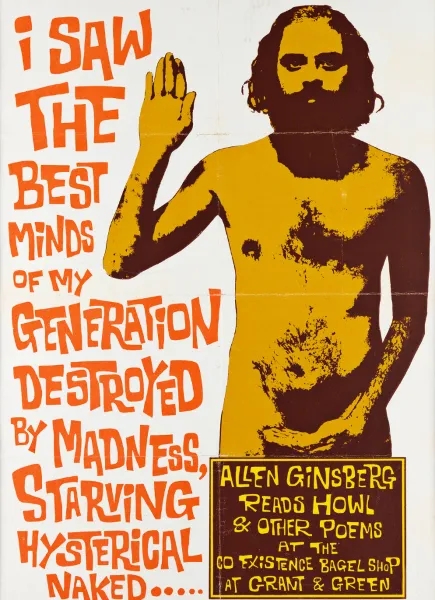
“I saw the best minds of my generation destroyed by madness, starving hysterical naked …”
With this scathing critique of American society, Key figure of the Beat Generation, Allen Ginsberg captured the disillusionment of a generation. He read 112 line poem “Howl” (considered obscene at that time) on October 7, 1955 in San Francisco, rising up against the Cold War, the wars in Asia and what President Dwight Eisenhower had dubbed the “military industrial complex.”
What is the Beat Generation?
The Beat Generation began in the 1950s as a powerful literary and cultural movement that challenged American society’s norms. The Beats rejected materialism and sought deeper meaning in life. They explored spirituality and personal experiences through their art.
Key figures like Jack Kerouac, Allen Ginsberg, and William S. Burroughs became torchbearer of this movement, promoting spontaneity in writing and a lifestyle of freedom and experimentation. Their works often addressed taboo topics such as sexuality, drug use, and social criticism, resonating with the youth of their time and paving the way for future countercultural movements, like the hippies.
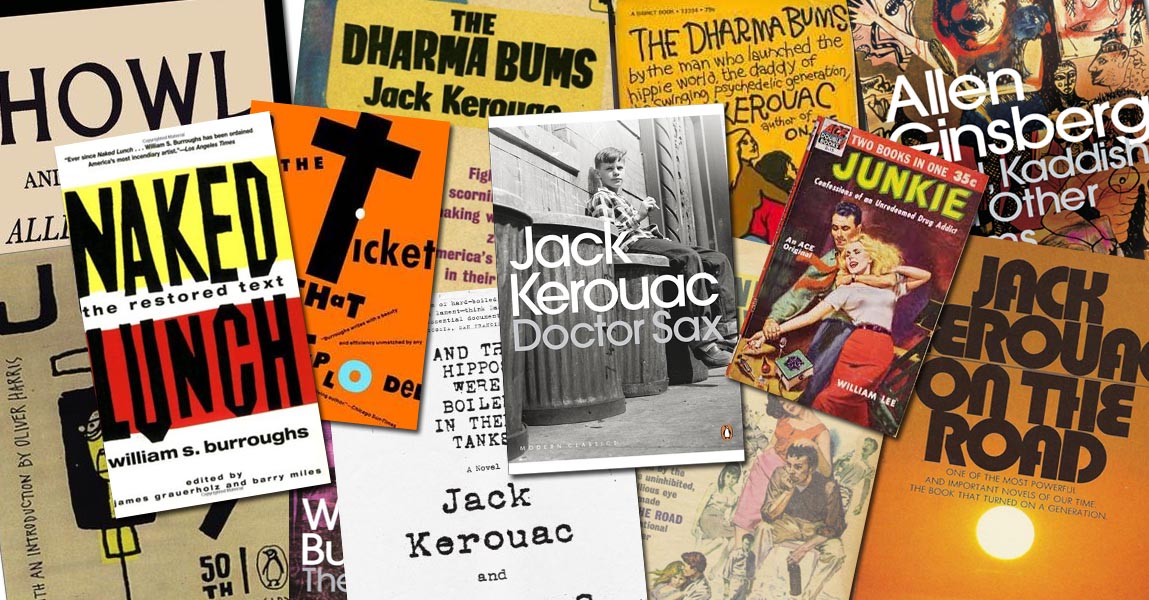
The Beat Generation literature is known for its unique style, which blends jazz elements and Eastern philosophy. This mix reflects a cultural shift towards experimentation in the arts. For example, Kerouac’s famous book, On the Road, captures the search for a pure existence and the importance of personal experience, inviting readers on a journey of self-discovery. Ginsberg’s Howl is another landmark work that embodies the Beat spirit, challenging societal norms and advocating for genuine expression. As noted in the Cultural and Literary Legacy of the Beat Generation, the Beats mounted a “great refusal” against the establishment, which justified the repression of dissent in the name of militarism, racism, and conformity.
The impact of the Beat Generation reached far beyond literature, influencing music, visual arts, and various countercultural movements. Their focus on personal freedom and artistic expression opened doors for future generations of writers and artists, shaping societal views on materialism and sexuality. The Beats’ legacy is evident in modern literature, where their rebellious spirit and quest for authenticity continue to inspire new voices. As highlighted in the Crash Course on Beat Poetry, the movement’s exploration of spirituality and personal experience remains relevant today, encouraging readers to reflect on their own journeys.
In summary, the Beat Generation was a crucial force in the cultural revolution of the mid-20th century, challenging the status quo and advocating for a more authentic and meaningful existence. Their works transformed literature and left a lasting impact on the broader cultural landscape, making them essential figures in American art and literature history. For those interested in exploring this fascinating movement further, resources like How to Read the Beats provide valuable insights into their enduring influence.
Distinctive Literary Style and Techniques
The Beat Generation emerged in the 1950s as a revolutionary literary and cultural movement that profoundly challenged the norms of American society. Characterized by a rejection of materialism and a quest for deeper meaning, the Beats, including iconic figures like Jack Kerouac and Allen Ginsberg, embraced spontaneity in their writing and explored themes of spirituality, sexuality, and social criticism. Their distinctive literary style was marked by a free-form approach that often mirrored the chaotic nature of life itself.
One of the defining features of Beat literature is its emphasis on personal experience and authenticity. The Beats sought to express their inner lives and the complexities of human existence through a raw and unfiltered lens. For instance, Kerouac’s seminal work, On the Road, encapsulates the spirit of the movement with its exploration of freedom and the quest for a pure existence. This quest is not merely a physical journey but also a spiritual one, reflecting the Beats’ desire to break free from societal constraints and discover their true selves. As noted in the Cultural and Literary Legacy of the Beat Generation, the Beats mounted a “great refusal” against the establishment, advocating for personal freedom and artistic expression that defied societal norms.
The Beats also incorporated elements of jazz and Eastern philosophy into their works, which contributed to their unique style. This blending of influences allowed them to create a new form of literature that resonated with the youth of their time, addressing taboo subjects such as drug use and sexuality. Their literature often served as a critique of the status quo, challenging readers to reconsider their values and beliefs. The Move to the Beat: Crash Course on Beat Poetry highlights how the movement’s focus on spontaneity and exploration of consciousness paved the way for future countercultural movements.
Moreover, the impact of the Beat Generation extends beyond literature; it has shaped music, visual arts, and broader cultural movements. The ethos of the Beats continues to influence contemporary writers and artists, who draw inspiration from their commitment to authenticity and exploration. As discussed in the article on how the Beats influenced today’s literary hipsters, the legacy of the Beat Generation is evident in the works of many modern authors who embrace similar themes of individuality and rebellion against societal norms.
In conclusion, the distinctive literary style and techniques of the Beat Generation not only transformed American literature but also left an indelible mark on the cultural landscape of the 20th century. Their exploration of personal experience, spontaneity, and social critique continues to resonate, making the Beat Generation a pivotal force in the ongoing quest for authenticity in artistic expression.
Recurring Themes and Subject Matter
The Beat Generation emerged in the 1950s as a revolutionary literary and cultural movement that profoundly challenged the norms of American society. Characterized by a rejection of materialism and a quest for deeper meaning, the Beats, including iconic figures like Jack Kerouac and Allen Ginsberg, embraced spontaneity in their writing and explored themes of spirituality, sexuality, and social criticism. Their works often reflected a chaotic yet authentic representation of life, which resonated with a generation seeking to break free from conventional constraints.
One of the defining features of the Beat Generation was its emphasis on personal experience. As noted in the American Writers Museum, the Beats sought to express their individuality through literature that was both spontaneous and free-form. This approach allowed them to delve into taboo subjects such as drug use and sexuality, which were often overlooked in mainstream literature. For instance, Kerouac’s seminal work, On the Road, encapsulates the essence of the Beat ethos, portraying a quest for authenticity and a pure existence through the lens of travel and exploration.

The influence of the Beat Generation extended far beyond literature, shaping music, visual arts, and countercultural movements. Their legacy is evident in the works of later artists and writers who drew inspiration from the Beats’ rejection of societal norms. According to Empty Mirror Books, the Beats mounted a “great refusal” against the establishment, advocating for personal freedom and artistic expression that defied societal expectations. This spirit of rebellion laid the groundwork for future countercultural movements, including the hippie movement of the 1960s.
Moreover, the Beats’ exploration of Eastern philosophies and jazz elements in their works reflected a broader cultural shift towards experimentation in the arts. Their literature often incorporated rhythmic patterns reminiscent of jazz, creating a unique fusion of styles that appealed to a diverse audience. As highlighted in Beatdom, the Beat Generation’s impact on contemporary literature is profound, influencing even those who may not consciously recognize their debt to this groundbreaking movement.
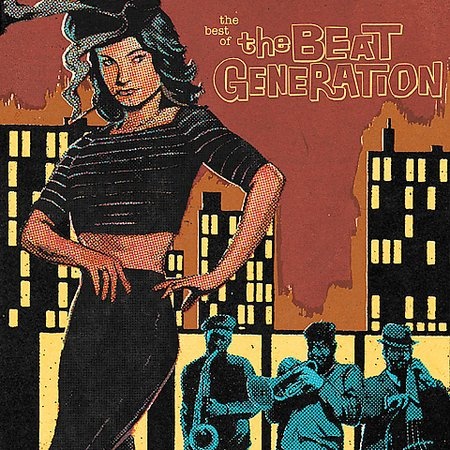
In conclusion, the Beat Generation remains a pivotal force in the cultural revolution of the mid-20th century. Their rejection of conventional norms, exploration of personal experience, and advocacy for artistic freedom continue to inspire writers and artists today. Engaging with their works not only offers insight into their unique perspectives but also invites readers to reflect on their own experiences and the societal constructs that shape them. For those interested in exploring the Beat ethos further, resources such as How to Read the Beats provide valuable guidance on navigating this rich literary landscape.
Social and Cultural Impact
The Beat Generation emerged in the 1950s as a transformative literary and cultural movement that profoundly influenced American society. Characterized by a rejection of conventional norms, the Beats sought deeper meaning through spontaneity, personal experience, and a quest for authenticity. Key figures such as Jack Kerouac, Allen Ginsberg, and William S. Burroughs became icons of this movement, advocating for artistic expression that defied societal expectations. Their works often explored themes of sexuality, spirituality, and social criticism, challenging the status quo and resonating with the youth of their time.
One of the most significant contributions of the Beat Generation was its impact on literature and the arts. The Beats embraced a style of writing that was free-form and spontaneous, reflecting the chaotic nature of life. For instance, Kerouac’s seminal work, On the Road, encapsulated the essence of the Beat ethos, emphasizing the importance of personal journeys and experiences. This quest for authenticity and self-discovery laid the groundwork for future countercultural movements, including the hippies of the 1960s. As noted in the Cultural and Literary Legacy of the Beat Generation, the Beats mounted a “great refusal” against the establishment, which justified the repression of dissent in the name of militarism and conformity.

Moreover, the influence of the Beat Generation extended beyond literature into music, visual arts, and social movements. Their exploration of taboo subjects, such as drug use and sexuality, resonated with a generation seeking freedom from societal constraints. The Beats’ integration of jazz elements into their poetry and prose reflected a broader cultural shift towards experimentation and exploration in the arts. This is evident in the works of Ginsberg, whose poem Howl became a rallying cry for those disillusioned with mainstream culture. The American Writers Museum highlights how the Beats’ emphasis on spontaneity and personal experience has influenced subsequent generations of writers and artists.
In conclusion, the Beat Generation’s legacy is a testament to the power of literature and art as vehicles for social change. Their rejection of materialism and exploration of deeper meanings continue to inspire contemporary artists and writers, making the Beats a pivotal force in the cultural revolution of the mid-20th century. As we reflect on their contributions, it is essential to recognize how their ethos of authenticity and individualism has shaped modern artistic expression and continues to resonate today. For those interested in exploring the Beat Generation further, resources such as How to Read the Beats provide valuable insights into their works and impact.
Seminal Works and Their Significance
The Beat Generation, which emerged in the 1950s, represents a pivotal moment in American literature and culture, characterized by its profound rejection of conventional societal norms. This literary movement was not merely about writing; it was a cultural revolution that sought to explore deeper meanings in life through spontaneity and personal experience.
Key figures such as Jack Kerouac, Allen Ginsberg, and William S. Burroughs became icons of this movement, advocating for artistic expression that defied the status quo. Their works often tackled taboo subjects, including sexuality, drug use, hedonism and social criticism, resonating with the youth of their time and laying the groundwork for future countercultural movements, such as the hippies.
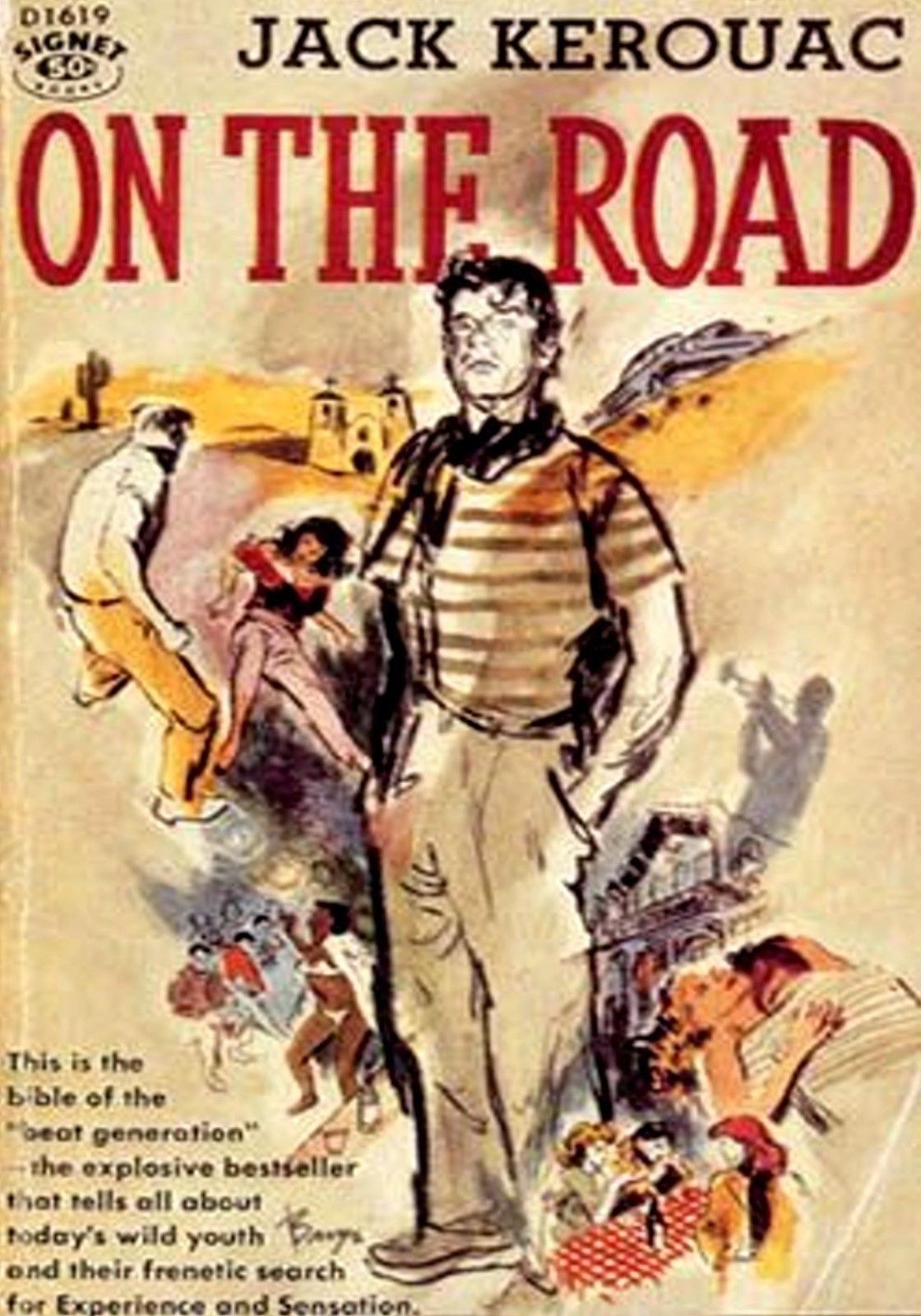
1. On the Road by Jack Kerouac (1957)
Kerouac’s seminal work, On the Road, epitomizes the Beat ethos, emphasizing a quest for a pure existence and the importance of personal experience. The narrative style, marked by its spontaneous prose, reflects the chaotic nature of life and the Beats’ desire to capture the essence of their experiences. As noted in the Cultural and Literary Legacy of the Beat Generation, the Beats mounted a “great refusal” against the establishment, challenging militarism, racism, and materialism in American society.
2. Howl and Other Poems, by Allen Ginsberg (1959)
The influence of the Beat Generation extends far beyond literature. Their exploration of spirituality and authenticity has shaped various artistic forms, including music and visual arts. The Beats incorporated elements of jazz and Eastern philosophy into their works, reflecting a broader cultural shift towards experimentation and exploration in the arts. This is evident in Ginsberg’s Howl, a groundbreaking poem that not only challenged literary conventions but also addressed the social issues of its time, making it a cornerstone of Beat literature.
The legacy of the Beat Generation continues to inspire contemporary writers and artists. Many modern authors, even those unaware of the Beats’ direct influence, have been shaped by their ethos of authenticity and exploration. As highlighted in the article on How the Beats Influenced Today’s Literary Hipsters, the Beat Generation opened doors for future generations, encouraging a literary landscape that values personal experience and spontaneity.
The Beat Generation’s significance lies in its challenge to societal norms and its quest for deeper meaning through art and literature. Their works not only reflect the tumultuous spirit of the 1950s but also continue to resonate with audiences today, making them a crucial part of American cultural history. For those interested in exploring this movement further, resources like the Crash Course on Beat Poetry provide valuable insights into the historical context and lasting effects of the Beat poets.
The Beat Lifestyle and Philosophy
The Beat Generation emerged in the 1950s as a revolutionary literary and cultural movement that profoundly challenged the norms of American society. Characterized by a rejection of materialism and a quest for deeper meaning, the Beats, including iconic figures like Jack Kerouac and Allen Ginsberg, embraced spontaneity in their writing and explored themes of spirituality, sexuality, and social criticism. Their works often reflected a chaotic yet authentic representation of life, which resonated with a generation seeking freedom from conventional constraints.
At the heart of the Beat lifestyle was a commitment to personal experience and authenticity. The Beats believed in living life fully, often expressed through their spontaneous writing style. Jack Kerouac’s seminal work, On the Road, epitomizes this ethos, capturing the essence of a quest for a pure existence and the importance of individual journeys. As Kerouac famously wrote, “What’s your road, man?–holyboy road, madman road, rainbow road, guppy road, any road. It’s an anywhere road for anybody anyhow.” This perspective not only defined the Beat Generation but also laid the groundwork for future countercultural movements, including the hippies of the 1960s.
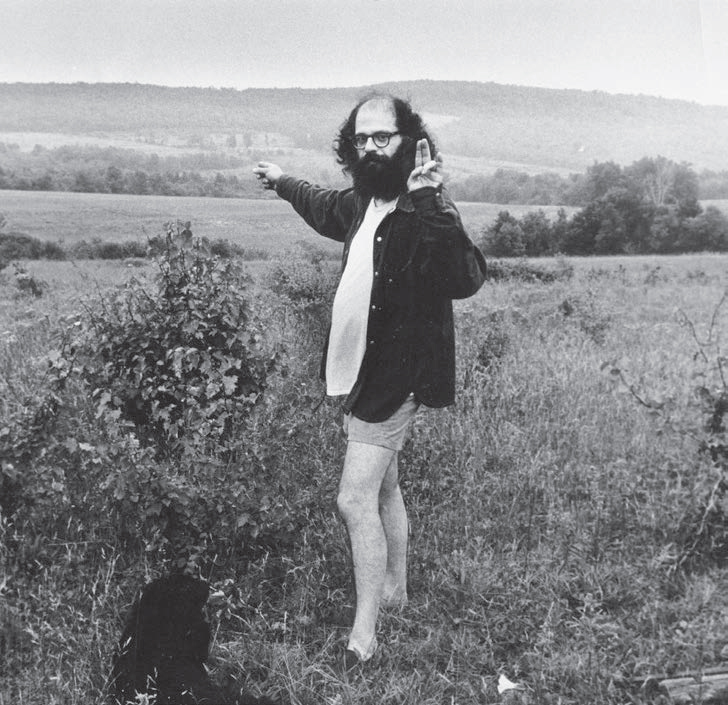
The Beats’ influence extended beyond literature, permeating music, visual arts, and societal attitudes. Their exploration of taboo subjects, such as drug use and sexuality, challenged the status quo and inspired subsequent generations of artists and writers. The cultural impact of the Beat Generation is evident in the works of modern literary hipsters who often cite the Beats as a significant influence on their own creative expressions. As noted in the article, How the Beats Influenced Today’s Literary Hipsters, the legacy of the Beats continues to inspire those who seek authenticity in their art.
Moreover, the Beat Generation’s embrace of Eastern philosophies and jazz elements reflected a broader cultural shift towards experimentation and exploration in the arts. Their literature often incorporated these influences, creating a unique blend that resonated with the youth of the time. The Beats mounted a “great refusal” against the establishment, advocating for a lifestyle that celebrated freedom and artistic expression, which has left an indelible mark on contemporary culture. For a deeper understanding of this movement, the Cultural and Literary Legacy of the Beat Generation provides valuable insights into how the Beats shaped modern artistic landscapes.
In summary, the Beat Generation was not just a literary movement; it was a cultural revolution that questioned societal norms and sought authenticity in expression. Their legacy continues to influence writers, artists, and musicians, making the Beat lifestyle and philosophy a pivotal part of American cultural history.
Criticism and Controversies
The Beat Generation, a literary and cultural movement that emerged in the 1950s, has faced its share of criticism and controversies, particularly regarding its themes and lifestyle choices. Central to the Beat ethos was a rejection of conventional societal norms, which often led to misunderstandings and backlash from mainstream culture. Critics have pointed to the Beats’ embrace of spontaneity, drug use, and sexual liberation as problematic, arguing that these elements glamorized a lifestyle that could be detrimental to individuals and society at large. For instance, the works of prominent figures like Jack Kerouac and Allen Ginsberg often explored taboo subjects, including sexuality and substance abuse, which some viewed as irresponsible or reckless. This perspective is echoed in the Cultural and Literary Legacy of the Beat Generation, which notes that while the Beats sought authenticity and personal freedom, their methods were sometimes seen as a “great refusal” against the establishment, justifying behaviors that many found objectionable.
Moreover, the Beats’ focus on individualism and personal experience has been criticized for fostering a sense of elitism. Some argue that their quest for deeper meaning often excluded those who did not share their privileged backgrounds or access to education. The original Beats, including figures like William S. Burroughs, were often well-educated and came from relatively affluent backgrounds, which raises questions about the inclusivity of their message. This critique is highlighted in the Move to the Beat: Crash Course on Beat Poetry, which discusses how the movement’s ideals may not resonate with all segments of society.
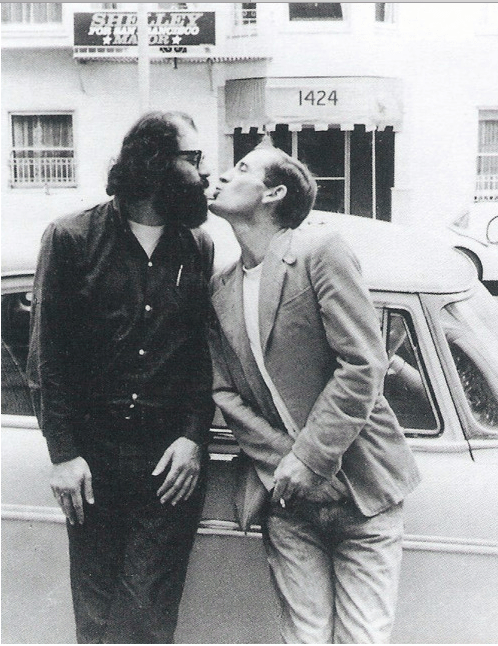
Despite these criticisms, the Beat Generation’s influence on literature and culture is undeniable. Their works have inspired countless writers and artists, shaping the landscape of modern literature and countercultural movements. The Beats’ exploration of spirituality and consciousness, as well as their challenge to materialism, laid the groundwork for future generations seeking authenticity in their artistic expressions. As noted in How the Beats Influenced Today’s Literary Hipsters, the legacy of the Beat Generation continues to resonate, even among those who may not fully embrace their lifestyle choices.
In conclusion, while the Beat Generation has faced significant criticism for its controversial themes and lifestyle, its impact on literature and culture remains profound. The movement’s challenge to societal norms and its quest for deeper meaning have left an indelible mark on the artistic landscape, prompting ongoing discussions about the balance between personal freedom and social responsibility.
The Enduring Legacy of the Beat Generation
The Beat Generation, which emerged in the 1950s, represents a pivotal moment in American literature and culture, characterized by its profound rejection of conventional societal norms. This literary and cultural movement was not merely a reaction against the status quo; it was a quest for deeper meaning and authenticity in life, often expressed through spontaneous and free-form writing. Key figures such as Jack Kerouac, Allen Ginsberg, and William S. Burroughs became icons of this movement, advocating for personal freedom and artistic expression that defied societal expectations. Their works often tackled taboo subjects, including sexuality, drug use, and social criticism, resonating deeply with the youth of their time and laying the groundwork for future countercultural movements.
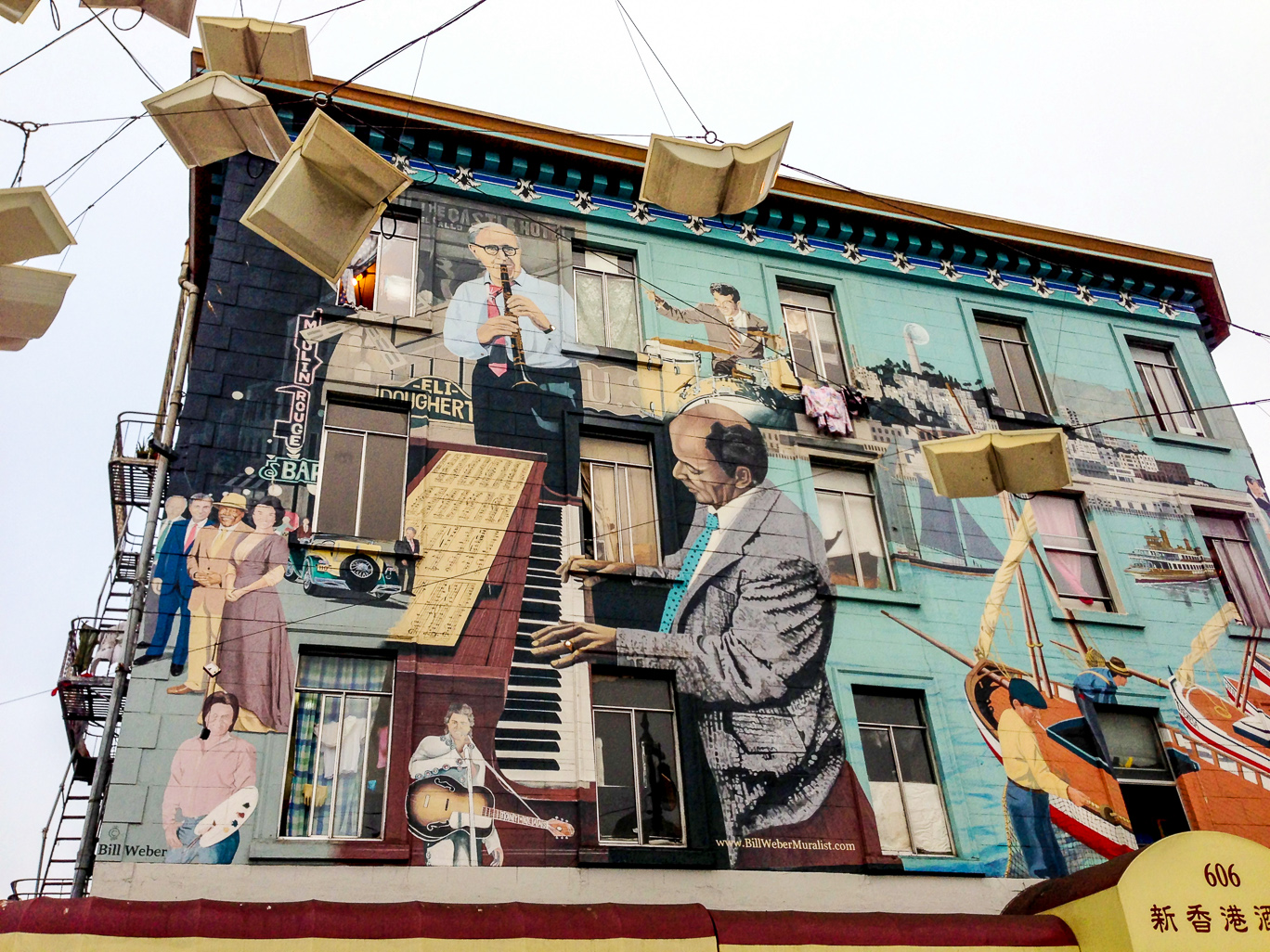
The Beat Generation was marked by a distinctive style that embraced spontaneity and a chaotic approach to writing. For instance, Kerouac’s seminal work, On the Road, encapsulates the essence of the Beat ethos, emphasizing the importance of personal experience and the quest for a pure existence. As Kerouac famously wrote, “What’s your road, man?–holyboy road, madman road, rainbow road, guppy road, any road. It’s an anywhere road for anybody anyhow.” This quote reflects the Beats’ belief in the fluidity of identity and the myriad paths one could take in life, a theme that continues to resonate today.
Moreover, the Beats’ exploration of spirituality and consciousness was revolutionary. They drew inspiration from Eastern philosophies, jazz music, and the chaotic nature of life itself, creating a unique blend of influences that shaped their artistic output. Their literature often incorporated elements of jazz, reflecting a broader cultural shift towards experimentation and exploration in the arts. This fusion of styles not only enriched their writing but also influenced subsequent generations of artists and writers, making the Beat Generation a significant force in the cultural revolution of the mid-20th century.
The legacy of the Beat Generation extends far beyond literature. Their impact can be seen in music, visual arts, and various countercultural movements that followed. The Beats mounted a “great refusal” against the establishment, challenging the repression of dissent in the name of militarism, racism, and materialism. This spirit of rebellion and the quest for authenticity laid the groundwork for the hippie movement and other social movements that sought to redefine societal values.